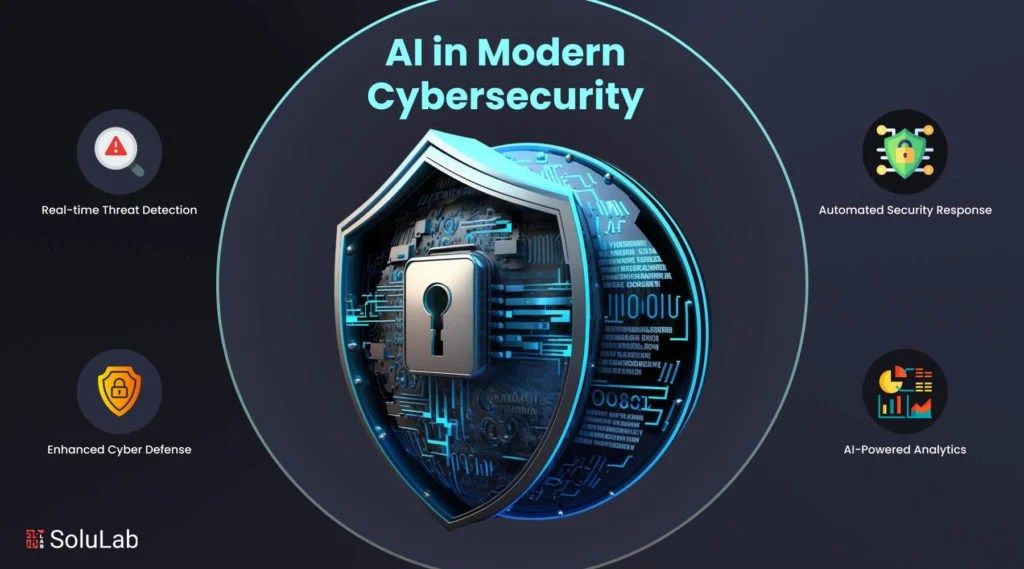
How AI Is Used in Cybersecurity Defense
In today’s digital age, cybersecurity has become a critical concern for businesses and individuals alike. With the increase in cyber threats and attacks, organizations are turning to advanced technologies such as Artificial Intelligence (AI) to bolster their defense mechanisms. AI is revolutionizing cybersecurity by providing faster threat detection, enhanced vulnerability management, and improved incident response capabilities.
1. AI-Powered Threat Detection
One of the key benefits of using AI in cybersecurity defense is its ability to enhance threat detection. Traditional security systems rely on rule-based approaches to identify and mitigate threats, which can be time-consuming and ineffective against advanced attacks. AI algorithms, on the other hand, can analyze vast amounts of data in real-time to identify patterns and anomalies that may indicate a potential security breach. By leveraging machine learning and deep learning techniques, AI-powered systems can quickly detect and respond to emerging threats before they escalate into full-blown attacks.
2. Improved Vulnerability Management
AI can also be used to improve vulnerability management within an organization’s cybersecurity defense strategy. Vulnerability management involves identifying and addressing weaknesses in an organization’s IT infrastructure that could be exploited by malicious actors. AI technologies can automate the process of identifying vulnerabilities, prioritizing them based on risk level, and recommending remediation actions to IT teams. By streamlining the vulnerability management process, organizations can proactively address security gaps and reduce the likelihood of successful cyber attacks.
3. Enhanced Incident Response Capabilities
In the event of a cyber attack, a timely and effective incident response is crucial to mitigating the damage and minimizing downtime. AI can play a key role in enhancing incident response capabilities by enabling faster and more accurate threat identification, containment, and eradication. AI-powered systems can analyze network traffic, log files, and other data sources to identify the root cause of a security incident and provide real-time alerts to security teams. This enables organizations to respond to threats in a more proactive and efficient manner, reducing the impact of cyber attacks on their operations.
4. Challenges and Considerations
While AI offers significant benefits to cybersecurity defense, there are also challenges and considerations that organizations need to keep in mind. One of the main challenges is the evolving nature of cyber threats, which require AI systems to continuously adapt and learn new patterns of attack. Additionally, there are concerns about the potential misuse of AI in cyber attacks, such as the development of autonomous malware that can evade traditional security measures.
To address these challenges, organizations should invest in AI-powered cybersecurity solutions that are regularly updated and maintained to keep pace with emerging threats. They should also implement robust security protocols to prevent unauthorized access to AI systems and monitor their performance to ensure they are effectively detecting and mitigating threats.
5. Conclusion
In conclusion, AI is playing an increasingly important role in cybersecurity defense by providing faster threat detection, improved vulnerability management, and enhanced incident response capabilities. By leveraging AI technologies, organizations can better protect their digital assets and mitigate the risks of cyber attacks. As cyber threats continue to evolve, it is essential for organizations to invest in AI-powered cybersecurity solutions to stay ahead of malicious actors and safeguard their sensitive information.