How Ransomware Attacks Work & How to Prevent Them
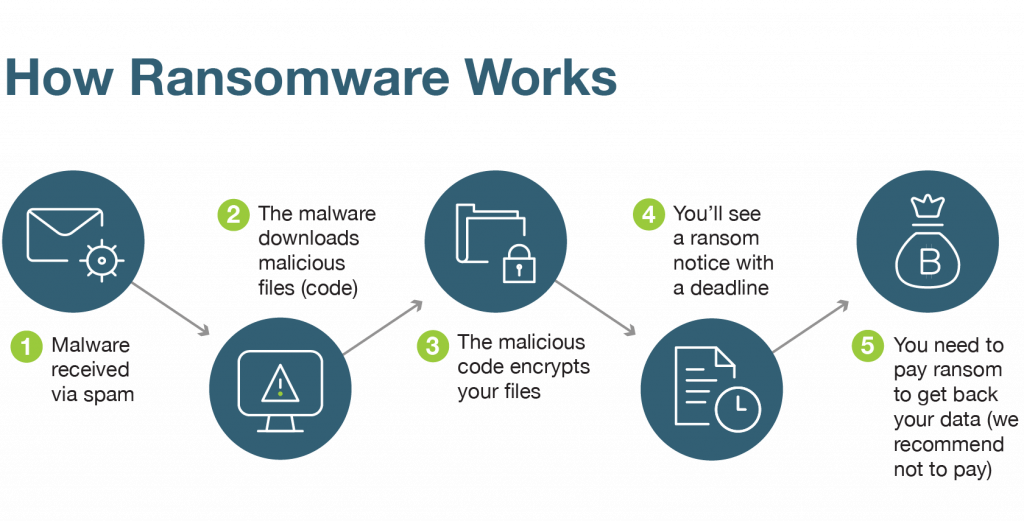
Ransomware attacks have become increasingly common in today’s digital age, targeting individuals, businesses, and organizations of all sizes. These malicious software programs encrypt files on a victim’s computer or network, rendering them inaccessible until a ransom is paid. The attackers then demand payment in exchange for the decryption key needed to unlock the files.
Methods of Infection
Ransomware can be deployed through various means, including:
Phishing emails containing infected attachments or links
Malicious websites or pop-up ads
Exploiting vulnerabilities in outdated software
Remote desktop services or brute force attacks
The Consequences of Ransomware Attacks
The consequences of a ransomware attack can be devastating, leading to:
Data loss or corruption
Downtime and disruption to business operations
Financial loss from ransom payments
Reputational damage and loss of customer trust
Preventing Ransomware Attacks
Preventing ransomware attacks requires a multi-layered approach to cybersecurity. Here are some strategies to help protect against ransomware:
1. Keep Software Updated
Regularly update software and applications to patch vulnerabilities that attackers could exploit.
2. Implement User Training
Educate employees on safe browsing habits, how to recognize phishing emails, and the importance of not downloading suspicious attachments.
3. Use Anti-malware Software
Install and regularly update anti-malware software to detect and block ransomware threats.
4. Enable Firewall Protection
Utilize firewalls to monitor and filter incoming and outgoing traffic, blocking malicious content.
5. Backup Data Regularly
Backup critical data and files regularly to an external drive or cloud storage to mitigate the impact of a ransomware attack.
6. Restrict User Permissions
Limit user access to sensitive files and resources to minimize the impact of a potential breach.
Responding to a Ransomware Attack
In the event of a ransomware attack, it’s crucial to act quickly and follow these steps:
1. Disconnect Infected Devices
Isolate infected devices from the network to prevent further spread of the malware.
2. Report the Incident
Report the ransomware attack to law enforcement and cybersecurity authorities for further investigation.
3. Do Not Pay the Ransom
Avoid paying the ransom as there’s no guarantee that you’ll receive the decryption key, and it only encourages attackers to continue their malicious activities.
4. Restore from Backup
If possible, restore files from a recent backup to recover encrypted data and minimize downtime.
Stay Vigilant and Prepared
Ransomware attacks are a serious threat to individuals and organizations, but by staying informed, implementing best practices, and responding effectively, you can minimize the risk of falling victim to these malicious attacks. Remember to regularly update your cybersecurity measures and backup your data to stay one step ahead of cybercriminals.