The Most Disruptive Technologies of the Decade
In the fast-paced world of technology, innovation is constant and disruption is inevitable. Over the past decade, several technologies have emerged that have significantly altered the way we live, work, and interact with the world around us. These disruptive technologies have transformed industries, created new markets, and revolutionized the way we think about the future. In this article, we will explore some of the most impactful and disruptive technologies of the past decade.
Artificial Intelligence
Artificial intelligence (AI) has been one of the most transformative technologies of the past decade. From self-driving cars to virtual assistants, AI has become an integral part of our daily lives. Machine learning algorithms have been used to automate tasks, optimize processes, and improve efficiency across a wide range of industries. With advances in deep learning and neural networks, AI-powered technologies have continued to evolve and adapt to new challenges.
Internet of Things
The Internet of Things (IoT) has revolutionized the way we interact with devices and systems. By connecting everyday objects to the internet, IoT has enabled new levels of automation, efficiency, and convenience. Smart thermostats, wearable devices, and connected appliances are just a few examples of how IoT has transformed our homes and workplaces. As the number of connected devices continues to grow, the potential for IoT to disrupt industries such as healthcare, transportation, and agriculture is limitless.
Blockchain
Blockchain technology has disrupted the way we store, secure, and transact digital assets. Originally developed as the underlying technology for cryptocurrencies like Bitcoin, blockchain has since expanded its reach to other industries such as supply chain management, healthcare, and finance. The decentralized nature of blockchain, coupled with its secure and immutable ledger, has made it a game-changer for industries looking to streamline processes, reduce costs, and enhance transparency.
5G
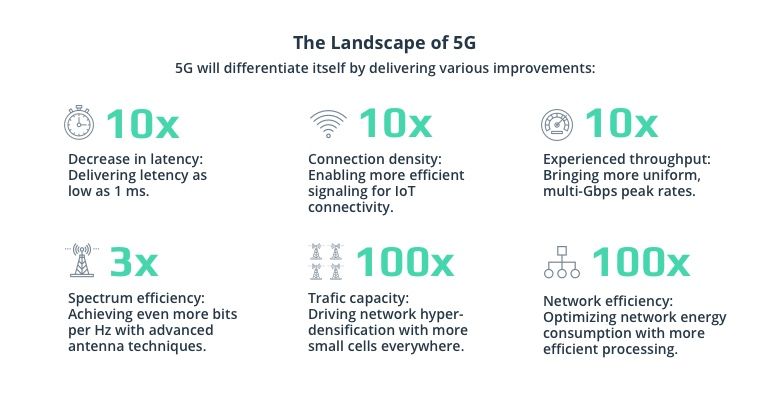
The rollout of 5G technology has ushered in a new era of connectivity and communication. With its increased data speeds, low latency, and high bandwidth, 5G has the potential to revolutionize industries such as autonomous vehicles, telemedicine, and smart cities. As more devices and systems become connected to 5G networks, the possibilities for innovation and disruption are endless.
Virtual and Augmented Reality
Virtual and augmented reality (VR and AR) technologies have transformed how we experience and interact with digital content. From immersive gaming experiences to virtual meetings and training simulations, VR and AR have the power to transport users to new worlds and enhance their perception of reality. As the technology continues to improve and become more accessible, the potential for VR and AR to disrupt industries such as education, entertainment, and retail is immense.
Conclusion
The past decade has seen a rapid evolution of technology that has forever changed the way we live, work, and play. From artificial intelligence to blockchain, these disruptive technologies have reshaped industries, created new opportunities, and pushed the boundaries of what is possible. As we look to the future, it is clear that the pace of innovation will only continue to accelerate, bringing with it new challenges and exciting possibilities. Embracing these disruptive technologies and staying ahead of the curve will be essential for businesses and individuals looking to thrive in the digital age.