AI in Finance: How Banks Use Smart Technology
In recent years, artificial intelligence (AI) has revolutionized the way banks operate and interact with customers. From fraud detection to customer service, AI has become an indispensable tool in the financial industry. In this article, we will explore how banks are utilizing smart technology to streamline operations, improve services, and enhance customer experiences.
Enhancing Customer Service
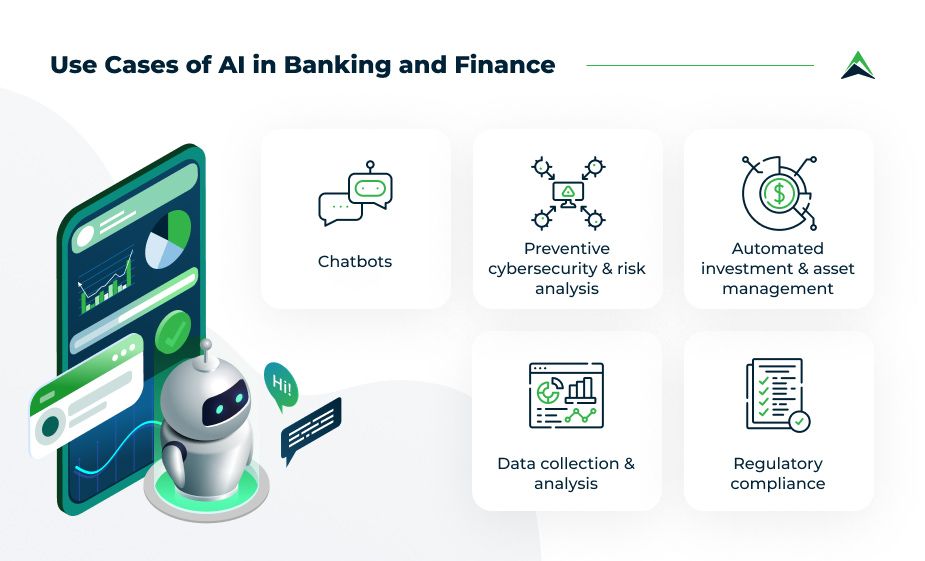
One of the key ways banks are using AI in finance is to enhance customer service. Chatbots powered by AI algorithms are being used to provide instant responses to customer inquiries, whether it’s about account balances, transaction history, or loan applications. These chatbots can simulate human-like conversations and provide personalized recommendations based on individual customer needs.
Moreover, AI is also being used to analyze customer data and predict future needs. By leveraging machine learning algorithms, banks can offer tailored products and services to customers, such as personalized investment recommendations or loan offers. This not only improves customer satisfaction but also helps banks increase revenue through cross-selling and upselling.
Improving Risk Management
Another area where AI is making a significant impact in the finance industry is risk management. Banks are using AI algorithms to detect fraudulent activities, assess credit risks, and identify potential compliance issues. Machine learning models can analyze large volumes of data in real-time to flag suspicious transactions or activities that deviate from typical patterns.
By automating these processes, banks can not only reduce the risk of financial losses but also enhance regulatory compliance. AI-powered risk management systems can adapt to changing market conditions and regulatory requirements, providing banks with greater agility and efficiency in managing risks.
Streamlining Operations
AI is also being used to streamline operations and improve efficiency in banks. Robotic process automation (RPA) is being used to automate repetitive tasks, such as data entry, document processing, and account reconciliation. By delegating these mundane tasks to AI-powered bots, banks can free up human employees to focus on more complex and value-added activities.
Furthermore, AI is being used to optimize resource allocation and improve decision-making. Predictive analytics models can forecast customer demand, identify cost-saving opportunities, and optimize pricing strategies. By leveraging these insights, banks can make data-driven decisions that enhance profitability and competitiveness in the industry.
Enhancing Fraud Detection
One of the critical challenges facing banks is the threat of fraud. AI is playing a crucial role in enhancing fraud detection capabilities by analyzing massive amounts of data to identify patterns and anomalies indicative of fraudulent activities. Machine learning algorithms can detect suspicious behaviors in real-time, such as unauthorized transactions or identity theft.
Moreover, AI can also improve cybersecurity defenses by identifying vulnerabilities in the network and detecting potential cyber threats. By continuously monitoring and analyzing data, banks can proactively protect customer data and prevent security breaches before they occur.
Conclusion
In conclusion, AI is transforming the finance industry by revolutionizing the way banks operate, interact with customers, and manage risks. By harnessing the power of smart technology, banks can enhance customer service, improve risk management, streamline operations, and enhance fraud detection capabilities. As AI continues to evolve, banks will need to adapt to keep pace with technological advancements and provide innovative solutions to meet the evolving needs of customers.