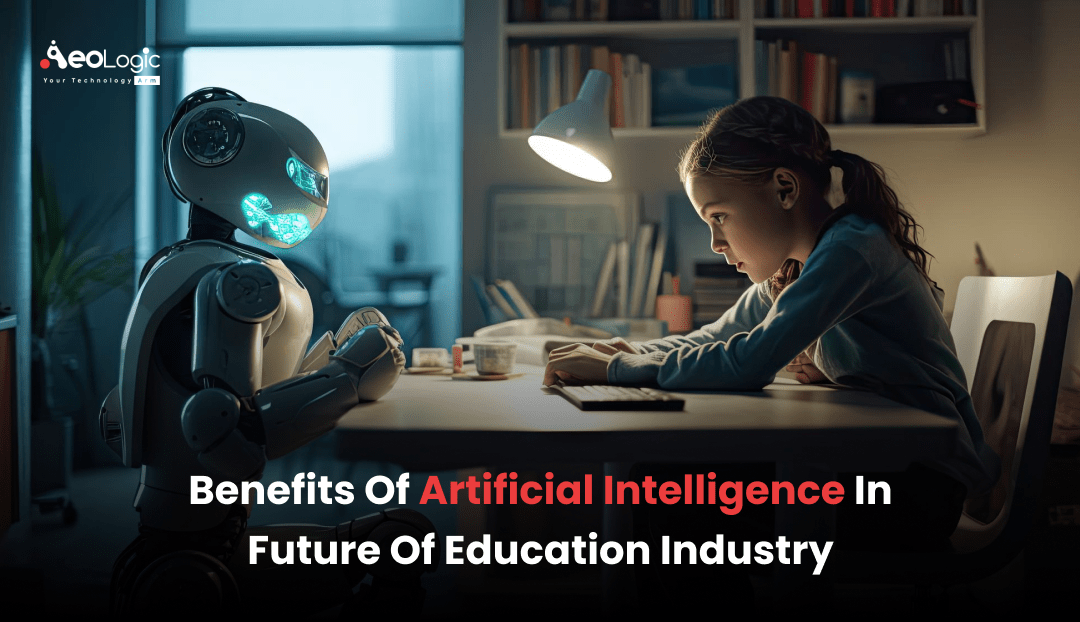
Future of Artificial Intelligence in Education
Artificial Intelligence (AI) has been making significant strides in various industries, and education is no exception. With the rise of technology in the classroom, educators are exploring how AI can enhance the learning experience for students.
AI-Powered Personalized Learning
One of the most significant benefits of AI in education is personalized learning. By using AI algorithms, teachers can analyze student data and create customized learning plans tailored to each student’s needs and learning style. This individualized approach helps students learn at their own pace and ensures that they grasp concepts thoroughly before moving on to the next topic.
Improved Student Engagement
AI can also help improve student engagement by providing interactive learning experiences. Virtual tutors powered by AI can engage students in real-time conversations, answer questions, and provide feedback on their performance. This interactive approach to learning keeps students motivated and interested in the subject matter.
Enhanced Teacher Support
AI can also support teachers in various ways, such as grading assignments, creating lesson plans, and generating insights into student performance. By automating routine tasks, teachers can save time and focus on delivering high-quality instruction to their students. AI-powered tools can also provide teachers with data-driven insights to help them identify areas where students may be struggling and provide targeted support.
AI-Powered Assessment and Feedback
AI technologies can revolutionize the assessment process by providing real-time feedback to students. Intelligent tutoring systems can analyze student responses and provide immediate feedback on their performance, helping students identify their strengths and weaknesses. This instant feedback can help students improve their learning outcomes and master challenging topics more effectively.
Challenges and Considerations
While AI holds tremendous promise for revolutionizing education, there are also challenges that need to be addressed. One of the key considerations is ensuring that AI technologies are used ethically and responsibly. Educators need to consider issues such as data privacy, algorithm bias, and the impact of automation on the teaching profession.
Conclusion
The future of artificial intelligence in education looks promising, with the potential to transform how students learn and how teachers instruct. By leveraging AI-powered technologies, educators can create personalized learning experiences, improve student engagement, and enhance teacher support. As AI continues to evolve, it will be interesting to see how it shapes the future of education and prepares students for success in an increasingly digital world.
In this article, we have discussed how AI can enhance education through personalized learning, improved student engagement, enhanced teacher support, and AI-powered assessment and feedback. Despite the challenges and considerations, the future of artificial intelligence in education looks promising, with the potential to revolutionize the way students learn and teachers instruct. As AI technologies continue to evolve, it will be exciting to see how they shape the future of education and prepare students for success in an increasingly digital world.