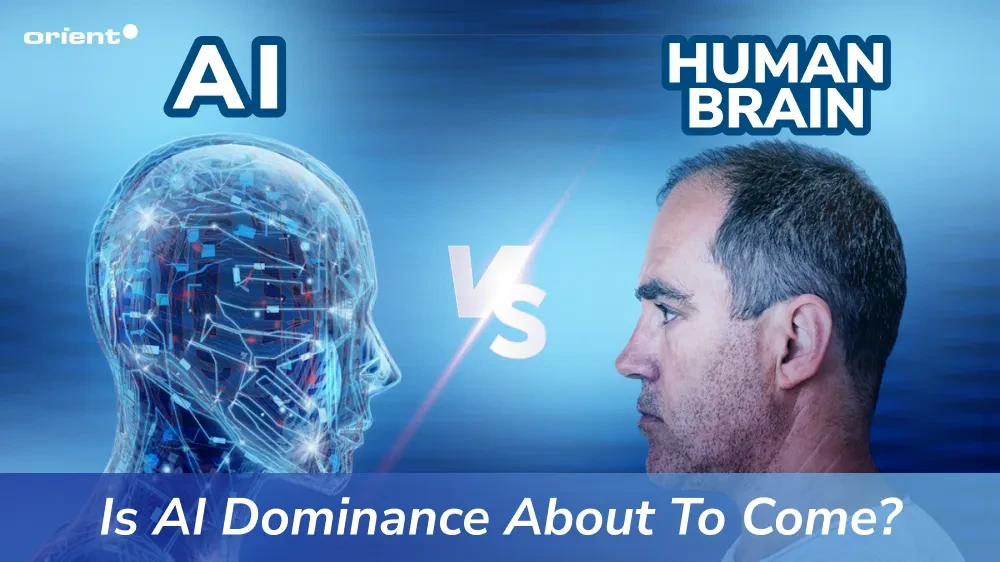
AI vs Human Intelligence: What Next?
In recent years, artificial intelligence (AI) has made significant advancements in various industries, including technology. From self-driving cars to voice-activated assistants, AI has become an integral part of our daily lives. But as AI continues to evolve and improve, many are left wondering: what’s next for AI and human intelligence?
AI: The Pros and Cons
One of the main advantages of AI is its ability to process and analyze large amounts of data at a speed that humans simply cannot match. This has led to breakthroughs in fields such as healthcare, finance, and transportation. AI has the potential to revolutionize the way we live and work, making our lives easier and more efficient.
However, AI also has its drawbacks. One of the biggest concerns surrounding AI is its impact on the job market. As AI becomes more advanced, many fear that it will lead to widespread job displacement, particularly in industries that rely heavily on manual labor. Additionally, there are ethical concerns surrounding AI, such as bias in algorithms and the potential for misuse.
The Future of AI and Human Intelligence
So, what’s next for AI and human intelligence? Some experts believe that AI will continue to become more integrated into our daily lives, assisting us with tasks that were once thought to be reserved for humans. This could lead to a future where humans and AI work together to solve complex problems and improve efficiency.
Others, however, warn of the dangers of AI surpassing human intelligence. The idea of a superintelligent AI that is capable of outthinking and outperforming humans raises concerns about the potential consequences of such a scenario. Many prominent figures, including Elon Musk and Stephen Hawking, have warned about the dangers of unchecked AI development.
Striking a Balance
It’s clear that AI and human intelligence each have their strengths and weaknesses. While AI excels at processing data and performing repetitive tasks, humans possess creativity, intuition, and emotional intelligence. The key to the future of AI lies in striking a balance between the two.
As AI continues to advance, it’s important for us to consider the implications of its development and how it will impact our society. By working together, humans and AI can harness the power of both to create a future that is beneficial for all.
Conclusion
AI has come a long way in a relatively short amount of time, but there is still much to learn about its capabilities and limitations. As we move forward, it’s important to consider how AI can be used to enhance human intelligence rather than replace it. By working together, we can create a future where AI and human intelligence coexist harmoniously.