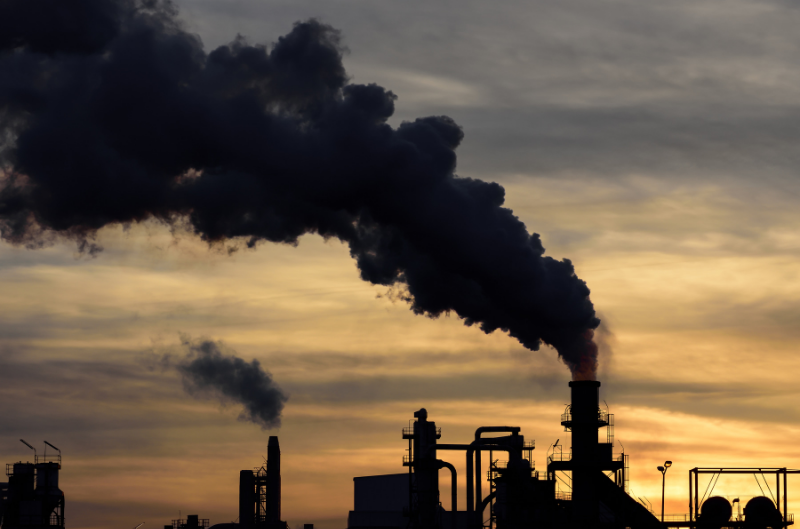
How Technology Is Impacting the Environment
Technology has revolutionized the way we live, work, and communicate. From smartphones to smart homes, from artificial intelligence to virtual reality, technological advancements have been shaping our world at a rapid pace. However, with great power comes great responsibility. The environmental impact of technology is a growing concern for many as we strive for a sustainable future.
The Rise of E-Waste
One of the biggest challenges posed by technology is the rise of electronic waste, or e-waste. As we upgrade our devices and gadgets at an increasing rate, old electronics are piling up in landfills, leaching harmful chemicals into the soil and water. According to the Global E-Waste Monitor, we produced a staggering 53.6 million metric tons of e-waste in 2019 alone, a number that is expected to rise in the coming years.
Energy Consumption
Another significant impact of technology on the environment is the energy consumption associated with the manufacturing, use, and disposal of electronic devices. Data centers, which power the internet and cloud services, are notorious for their high energy consumption. The carbon footprint of our digital activities is larger than most people realize, and it is crucial to find ways to reduce this energy consumption through more efficient technologies and renewable energy sources.
Resource Depletion
Technology relies on a vast array of natural resources, from rare earth metals to minerals and water. The extraction and processing of these resources can have a detrimental impact on the environment, leading to deforestation, habitat destruction, and pollution. As the demand for technology continues to grow, so does the strain on our planet’s resources. It is essential to develop sustainable practices and technologies to minimize the depletion of these finite resources.
Solutions for a Sustainable Future
Despite the environmental challenges posed by technology, there are steps that can be taken to mitigate its impact on the environment. Companies and individuals alike can make a difference by embracing eco-friendly practices and technologies. This includes recycling old electronics, investing in energy-efficient devices, and supporting companies that prioritize sustainability in their operations.
Furthermore, governments can play a crucial role in setting regulations and incentives to promote environmentally friendly practices in the tech industry. By holding companies accountable for their environmental impact and rewarding those that adhere to sustainable practices, we can create a more eco-conscious tech sector.
The Future of Green Technology
As technology continues to evolve, there is a growing focus on developing green technologies that minimize the environmental impact of our digital world. From renewable energy sources to biodegradable materials, innovators are working to create a more sustainable future for all. By investing in these green technologies and supporting policies that promote sustainability, we can ensure that technology has a positive impact on the environment.
Conclusion
Technology has the power to shape the world for the better, but it also comes with a responsibility to protect the environment. By recognizing the environmental impact of technology and taking steps to minimize it, we can create a more sustainable future for generations to come. It is up to all of us to embrace eco-friendly practices and support green technologies to ensure that the benefits of technology do not come at the cost of our planet.