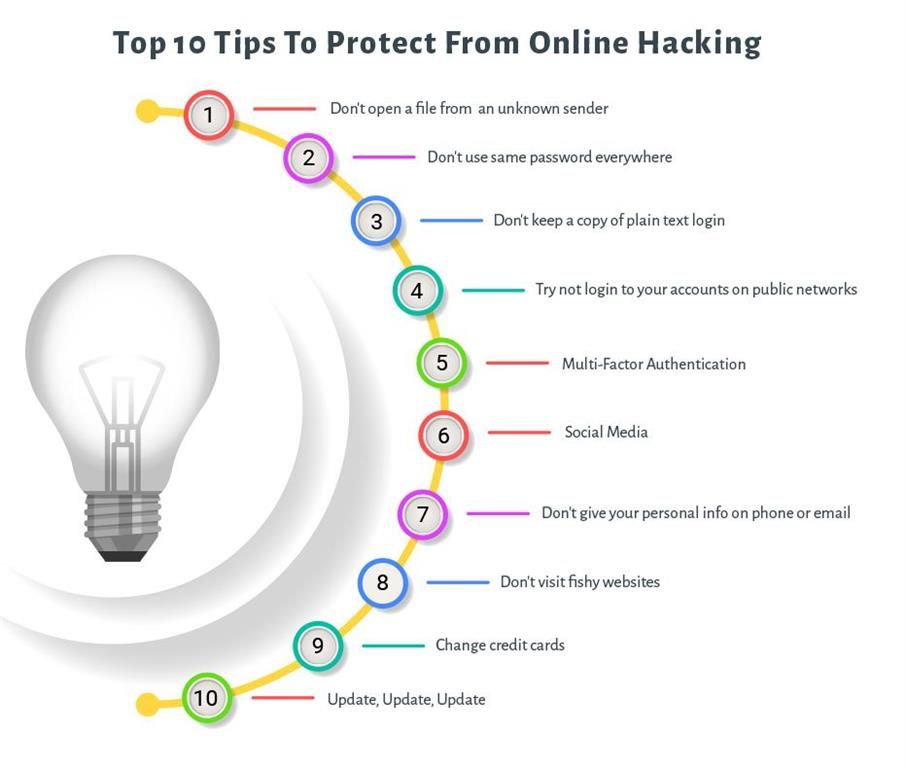
How to Protect Your Data from Hackers
In today’s digital age, the importance of protecting your data from hackers cannot be overstated. With cyber attacks on the rise, it’s more important than ever to take steps to safeguard your information and prevent unauthorized access. In this article, we will explore some best practices for keeping your data safe and secure.
Keep Your Software Updated
One of the simplest yet most effective ways to protect your data from hackers is to keep your software updated. Software updates often contain security patches that address vulnerabilities that hackers can exploit. By regularly updating your operating system, web browser, and other software applications, you can help prevent hackers from gaining access to your data.
Use Strong Passwords
Another important step in data protection is to use strong passwords. Avoid using easily guessable passwords such as “password” or “123456.” Instead, opt for complex passwords that include a mix of letters, numbers, and special characters. Additionally, consider using a password manager to securely store and generate unique passwords for each of your accounts.
Enable Two-Factor Authentication
Two-factor authentication adds an extra layer of security to your accounts by requiring a second form of verification, such as a code sent to your phone. By enabling two-factor authentication on your accounts, you can significantly reduce the risk of unauthorized access even if your password is compromised.
Regularly Back Up Your Data
In the event of a data breach or ransomware attack, having a recent backup of your data can be a lifesaver. Make sure to regularly back up your important files and store them in a secure location, either offline or in the cloud. This way, if your data is ever compromised, you can easily restore it without having to pay a ransom or risk losing your information.
Avoid Public Wi-Fi Networks
Public Wi-Fi networks are a prime target for hackers looking to intercept sensitive information. Avoid connecting to public Wi-Fi networks when accessing sensitive data such as online banking or personal emails. If you must use public Wi-Fi, consider using a virtual private network (VPN) to encrypt your internet connection and protect your data from prying eyes.
Be Wary of Phishing Attacks
Phishing attacks are a common tactic used by hackers to trick unsuspecting individuals into providing personal information or login credentials. Be cautious of emails, messages, or phone calls requesting sensitive information, and always verify the legitimacy of the sender before responding. Avoid clicking on suspicious links or downloading attachments from unknown sources.
Monitor Your Accounts
Regularly monitoring your accounts for unusual activity can help you detect any signs of unauthorized access early on. Keep an eye out for suspicious transactions, unfamiliar logins, or changes to your account settings. If you notice any suspicious activity, take immediate steps to secure your account and report the incident to the appropriate authorities.
Conclusion
Protecting your data from hackers requires a proactive approach and constant vigilance. By following the tips outlined in this article, you can significantly reduce the risk of falling victim to cyber attacks and safeguard your information from unauthorized access. Remember, when it comes to data security, it’s better to be safe than sorry. Stay informed, stay vigilant, and keep your data safe.