Best Cybersecurity Practices for Businesses in 2025
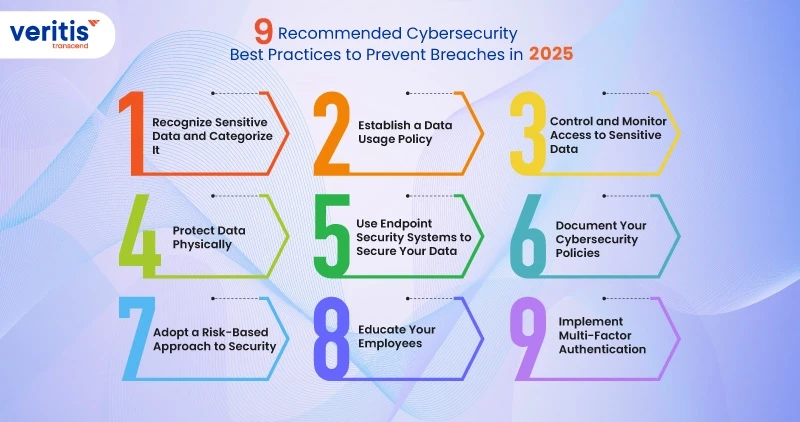
In the rapidly evolving landscape of technology, cybersecurity has never been more crucial for businesses. With the increasing sophistication of cyber threats, it is essential for companies to stay ahead of the curve and implement robust cybersecurity practices to protect their data, systems, and reputation.
Implementing Multi-Factor Authentication
One of the most effective cybersecurity practices for businesses in 2025 is implementing multi-factor authentication (MFA). MFA adds an extra layer of security by requiring users to provide multiple forms of verification before accessing sensitive information or systems. This can include something you know (like a password), something you have (like a smartphone), or something you are (like a fingerprint).
Regular Security Training for Employees
Employees are often the weakest link in cybersecurity defenses. In 2025, businesses should prioritize regular security training for all employees to educate them about the latest threats and best practices for keeping data secure. This can help reduce the risk of human error leading to a data breach.
Implementing a Zero Trust Security Model
Zero Trust is a security model that assumes no one inside or outside the network is trustworthy by default. In 2025, businesses should consider adopting a Zero Trust approach, which limits access to sensitive data and systems based on user identity and other factors. This can help prevent unauthorized access and limit the scope of potential breaches.
Regular Security Audits and Penetration Testing
Security audits and penetration testing are essential for identifying vulnerabilities in a company’s network and systems. In 2025, businesses should conduct regular security audits and penetration tests to proactively identify and address potential security weaknesses before they can be exploited by cybercriminals.
Encrypting Data and Communication
Encrypting data and communication is crucial for safeguarding sensitive information from unauthorized access. In 2025, businesses should encrypt all data at rest and in transit to protect it from prying eyes. This can help ensure that even if data is intercepted, it remains secure and confidential.
Implementing Security Automation
With the increasing volume and complexity of cyber threats, businesses in 2025 should consider implementing security automation tools to help detect and respond to security incidents in real-time. Automation can help accelerate incident response times and reduce the risk of cyber attacks going undetected.
Backup and Disaster Recovery Planning
Backup and disaster recovery planning are essential components of a robust cybersecurity strategy. In 2025, businesses should regularly back up their data and systems to prevent data loss in the event of a cyber attack or natural disaster. Having a comprehensive disaster recovery plan can help minimize downtime and ensure business continuity in the face of adversity.
Conclusion
In conclusion, cybersecurity is more important than ever for businesses in 2025. By implementing these best practices, companies can strengthen their defenses against cyber threats and protect their valuable data and assets. Investing in cybersecurity measures now can help businesses avoid costly data breaches and reputational damage in the future.